
Back to home

Our 2026 trends through the retail lens: from consumer shifts to shelf impact

Retail

In retail, trends rarely arrive with a label. They arrive as new expectations in the aisle: shoppers still want convenience, but they also want choices that feel more worth it. More fitting for the moment, more exciting in flavor, and more satisfying in experience. The trends we see are therefore evolutions, not disruptions.

Watch the webinar

You can choose to watch the half hour webinar below, download the high level trend report or get up to speed on a more detailed breakdown in a couple of minutes as you read on.

It’s about refinement. Familiar shopping missions stay familiar, but the definition of “good” keeps shifting. And in frozen, those shifts show up fast because the category is built on trust, repetition, and a clear promise of performance at home. In this retail deep dive, we translate three evolutions: any-time bites, global flavor exploration, and textures & toppings into the decisions that actually move category results: tiering, rotation, and navigation.

What changes in the aisle when expectations rise

First, shopping is becoming more occasion led. Consumers aren’t only buying for classic mealtimes. They’re buying for quick solo moments, shareable bites, relaxed evenings, ... something to make their days feel like more than just routine.

Second, taste is no longer a nice-to-have, it’s the main event. Shoppers look for clear flavor cues that feel exciting but still safe. They want products that signal: this will taste great, without me needing to overthink it.

Third, texture is becoming one of the fastest shortcuts to quality. Crisp, bite and contrast are instantly understood, even before someone cooks the product. And when you combine that with strong flavor expectations, you get one bigger shift: shoppers increasingly want frozen products that feel easy and experience-driven at the same time.

What's in it for me?

Find a way to create assortments that make moments, flavor and texture easy to choose can win on three fronts: conversion (faster decisions), trade-up (clear value tiers), and repeat (the product delivers on the promised experience).

1. Any-time bites

Make “snack & share” a clear shopping reason

Snacking is no longer a small side behavior. It’s becoming a mainstream way people structure their day: more eating moments, more flexible occasions, and more reasons to choose something that feels satisfying without the effort of a full meal.

That shift matters because it changes how the category is shopped. The shopper isn’t always looking for “a standard side for dinner”. They’re often looking for a format that fits the moment. Something that works for a quick solo bite, a shareable snack plate, or a relaxed evening at home.

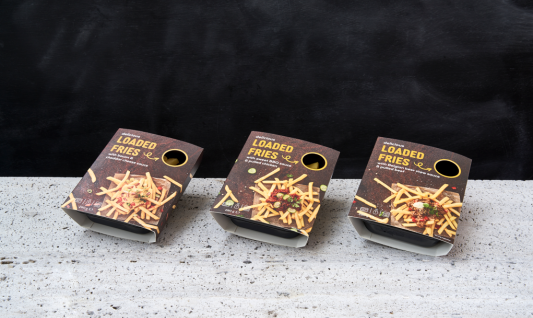
That means the opportunity isn’t simply “add more snack products”. It’s to make snacking a clear mission inside the aisle through formats and cues that shoppers instantly understand: shareable shapes, smaller portion logic, and products that communicate “snackable” at a glance.

Snacking through the retail lens

• Assortment: create a visible snack & share layer alongside classic mealtime staples.

• Shelf logic: activate missions with adjacency (think: snack moments, sharing moments, quick-prep moments).

• Pack logic: reduce trial risk with formats that feel easy to try (smaller packs (boxed or standable), share-friendly packs, variety where relevant).

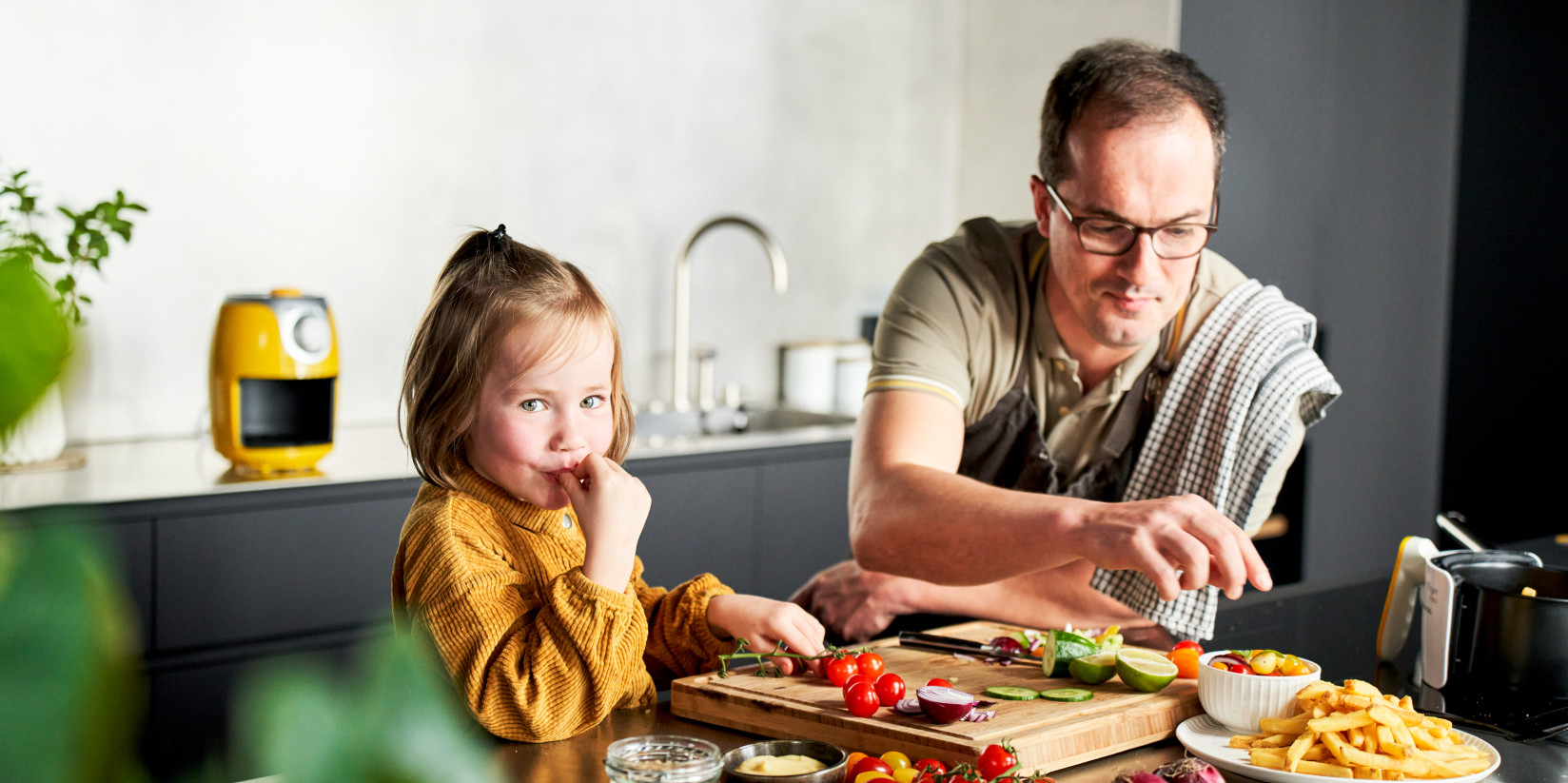
At-home quick-cooking habits with increased air fryer usage are accelerating this shift—when the prep is easy and consistent, people turn more occasions into snack moments.

2. Global flavor exploration

Premiumize with seasoning without confusion

Flavor is becoming one of the strongest ways shoppers decide what feels “worth it”. In a world full of routine meals and quick decisions, seasoning & spices bring something extra: a sense of discovery, a twist on the familiar, or a more premium feel, but without making cooking harder.

The key is that this demand doesn’t automatically translate into more flavors. It translates into clear choices. Shoppers want to spot, in seconds, what fits their taste preference and how adventurous they feel today. When the range becomes too busy or unclear, people fall back to safe staples.

That’s why this trend creates a very specific category opportunity: use seasoning to build a value ladder that feels intuitive—so shoppers can confidently trade up.

Global flavor exploration through the retail lens

• Tiering: create a simple ladder: classic → seasoned → limited (so shoppers can “step up” without overthinking).

• Rotation: keep the category fresh with seasonal or limited twists that generate news value without reshuffling the entire range.

• Choice clarity: help shoppers navigate with simple signposting such as ‘spiciness level’.

In key markets like the UK and France, taste consistently dominates what people look for. Even though satisfaction levels are already high, crunchiness and seasoning show up as recurring areas where shoppers want “even better” from frozen potato products.

3. Textural elevation

Make texture the buying shortcut

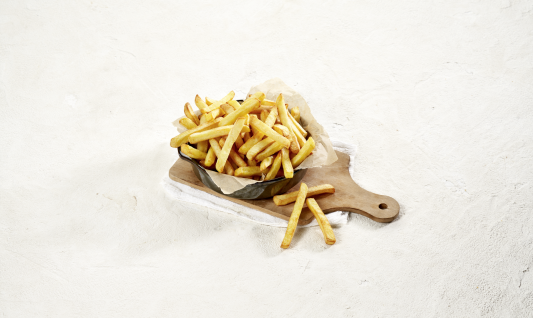
Texture is quickly becoming one of the clearest signals of quality in frozen. Shoppers don’t always describe it in technical terms, but they know what they want: a product that looks promising, cooks reliably, and delivers that satisfying bite.

What makes this trend especially important is that it links directly to repeat purchase. If the first experience doesn’t match expectations—if it isn’t crisp enough, if the bite feels off—people don’t just switch products.

This is also where flavor and texture meet. In our in-house market research, when respondents describe what “great taste” means in frozen potato products, they repeatedly tie it to the same experience cues: a soft, fresh-potato interior, a crunchy outer layer, and a seasoning that fits the product. In other words: crunch and seasoning don’t compete—together they define the experience.

Texture through the retail lens

  • Navigation: make texture easier to choose (clear copy like “extra crispy”, strong imagery, ...).

  • Segmentation: match textures to use occasions and households (from family staples to “treat” moments).

  • Reassurance: connect texture to at-home reality. Shoppers want confidence it performs in their cooking routine (oven / air fryer). Provide the proper cooking instructions.

Across markets, “crunchiness” remains one of the recurring improvement areas shoppers mention in frozen potato products, making texture a practical lever, not a niche preference.

However, in retail, texture is more of a spectrum. More than crunchiness alone. Different audiences prefer different textures. Think of children how they tend to prefer yogurt without any pieces of fruit, and revel that o so smooth, pure mash. While adults often look for more contrast and layered textures.

One shopper logic behind all three (and how to translate it into the aisle)

These evolutions aren’t three separate stories. They reinforce each other and they all point to the same retail challenge: make the experience easier to recognise before purchase.

  1. More moments means shoppers come looking for products that fit different use occasions (quick solo, shareable, treat, family).

  2. More flavor means they expect a clear value ladder: from familiar to exciting seasonings ...

  3. More texture means visual cues and performance promises matter more than ever, because texture is a fast shortcut to quality.

If you translate that into category thinking, the win isn’t “more choice”. It’s better signposting:

• organize the range so it’s easy to spot what fits the moment

• create a simple flavor ladder that encourages trade-up

• give texture cues that build confidence and drive repeat

Make choice easy. Make experience obvious.

Retail action plan: 3 moves to win in 2026

If you want to turn these evolutions into category results, focus on a few moves that make the aisle easier to shop and the experience easier to trust.

1. Build an occasion-led architecture

Create clear space for different shopping moments, not only “standard meal sides”. A visible snack & share layer helps shoppers find what fits faster and it creates room for incremental growth beyond classic dinner occasions.

2. Implement a clear flavor ladder and rotation plan

Use seasoning to guide trade-up without creating chaos. Think in simple tiers (classic → seasoned → limited) and refresh with controlled rotation rather than constant reshuffles.

3. Turn texture into a shopper shortcut

Texture is a quality signal people recognise instantly. Make it easy to choose through clear copy cues, strong imagery, and reassurance that the product performs in real at-home routines (oven / air fryer).

Want to see the other lens?

These evolutions: more moments, flavor with seasonings, and higher texture expectations show up everywhere. But what “winning” looks like depends on where the experience happens.

If you want the other perspective, explore the Food Service lens, where we translate the same trends into operator realities: speed, consistency, ease of execution, and performance across segments.