Gone are the days when private label meant compromise. Today, consumers trust retailers’ own brands for both quality and price. In several categories, private label can rival—sometimes even outperform—leading manufacturers on emotional connection and relevance (once their core strength), as highlighted in multiple shopper insight studies.
Meanwhile, the pricing gap between A-brands and private label has become increasingly difficult to justify. Industry research often finds that while leading brands typically score only 10–25% higher than private label equivalents on perceived value and brand strength, their prices can sit 50% or more above the private label alternative. That mismatch puts pressure on traditional manufacturers—and creates new opportunities for retailers to expand store brands that feel genuinely worth it.
For retailers, this means private label is no longer just a margin tool. It has become a strategic pillar for differentiation, loyalty and innovation.
A structural shift in consumer spend
What makes the rise of the value tier truly compelling is that it’s not just a response to inflation. Consumer priorities have fundamentally changed. Even if their income were to increase by 10–15%, most Europeans say they wouldn’t put that extra spending into more premium groceries. Instead, they would save more or redirect their budget toward experiences such as travel, dining out and entertainment.
This signals a lasting behavioural shift: consumers want to spend smartly on everyday staples so they can allocate more to the things that enrich their lives. Private label fits neatly into this mindset: high-quality essentials at a fair price.
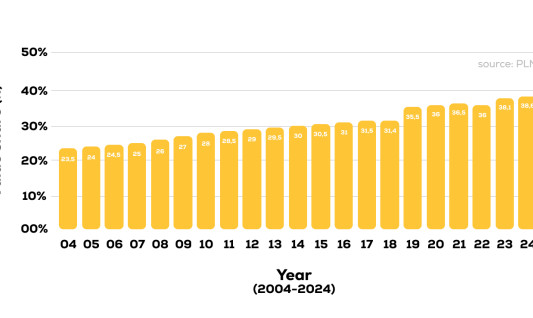
And this isn’t happening only in a handful of countries. Twelve markets now report private label shares above 30%, and eight markets exceed 40%, evidence of a widespread European shift in how value is defined.